

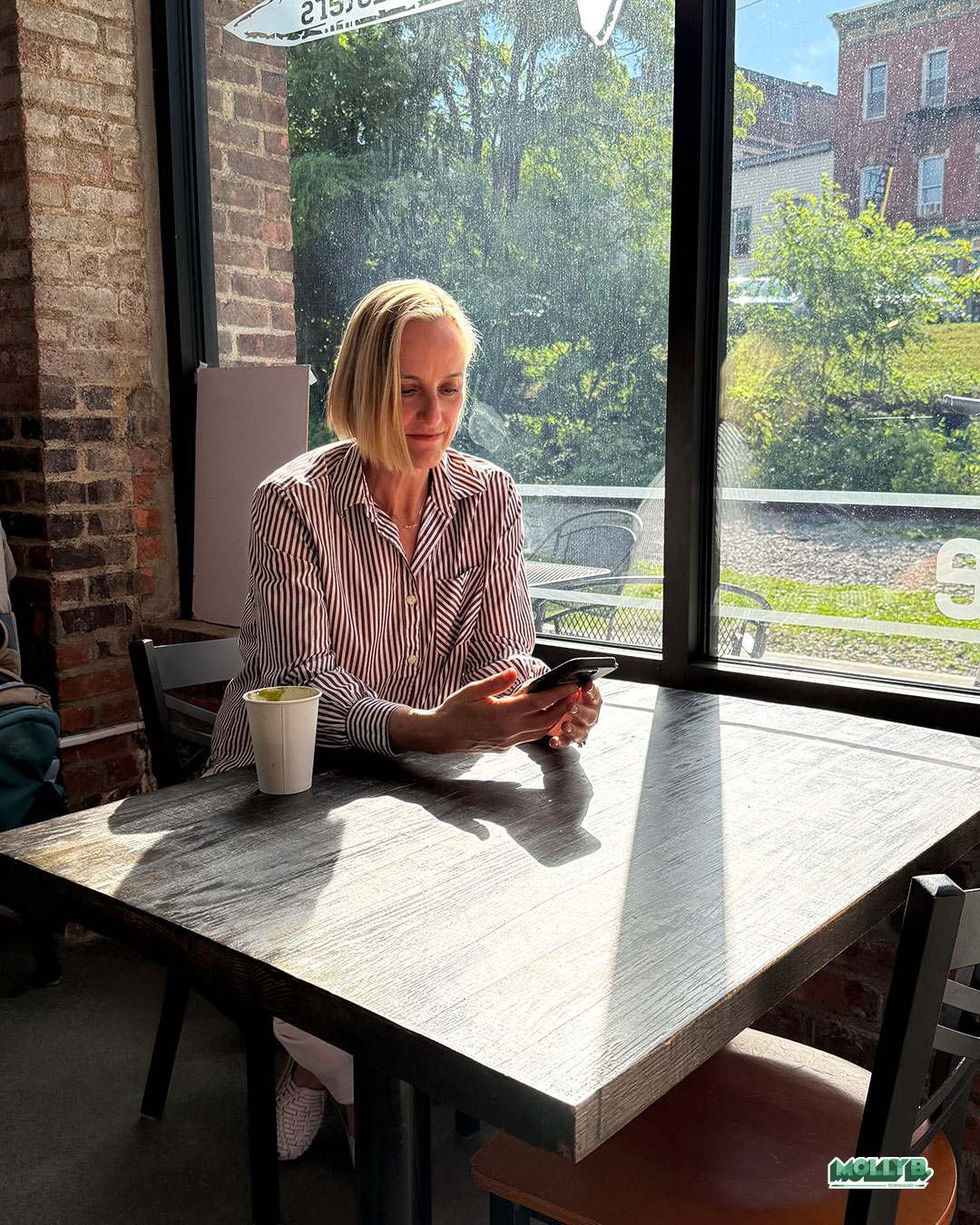

A funny thing happens when you get good at helping people figure things out.
The categories start to disappear.
Last week alone, I talked one person through a hiring decision, another through a career crossroads, and a third through a family situation that technically had nothing to do with me.
A coaching client calls about a leadership challenge. A friend wants advice about a career decision. A family member needs help navigating a difficult relationship. Someone else is trying to figure out what comes next.
On paper, these are completely different conversations. In practice, they’re often the same one.
Most people aren’t looking for answers. They’re looking for perspective. They’re looking for someone who can help them untangle the knot, separate the signal from the noise, and find a little clarity inside the chaos.
And because I genuinely enjoy doing that, I’ve spent most of my life saying yes to those conversations, which is wonderful and occasionally a problem.
For a long time, I thought this was simply one of my strengths. The ability to stay calm when things feel complicated. To help people see a situation from a different angle. To find the thing underneath the thing.
Lately, I’ve been wondering if it’s also one of my limitations.

The older I get, the less interested I am in the idea that strengths and weaknesses live in separate categories. I think they’re often the same quality viewed from different angles. Every strength casts a shadow. Every superpower comes with an invoice.
The qualities that make us effective in the world rarely come without side effects. The ability to stay calm under pressure can become a tendency to absorb everyone else’s pressure. Generosity can become overcommitment. Resilience can become stubbornness. Ambition can become restlessness. The desire to help can quietly turn into a habit of carrying things that don’t belong to you.
The irony is that the very qualities that help us succeed can eventually become the things that make life harder. Not because they’re bad qualities, but because every strength, when left unchecked, eventually stops behaving like a strength.
I see this all the time with the agents I coach. The highly responsive agent becomes permanently tethered to their phone. The empathetic agent absorbs every client’s stress as if it were their own. The ambitious agent says yes to every opportunity and then wonders why they’re exhausted. The resilient agent stays too long in situations that should have ended months ago because they’ve built an identity around pushing through.
None of these people are struggling because of their weaknesses. They’re struggling because of their strengths. That’s what makes this so difficult to recognize.
Most of us spend the first half of our careers developing our strengths. We learn to become more disciplined, more reliable, more strategic, more available, more resilient, more driven. Those qualities create opportunities. They help us build trust. They help us stand out.
Then somewhere along the way, the assignment changes.
The second half of the game is learning how to manage those strengths.
Knowing when your generosity is becoming overcommitment. Knowing when your empathy is becoming emotional caretaking. Knowing when your ambition is becoming restlessness. Knowing when your resilience is becoming stubbornness. Knowing when your desire to help is preventing someone else from learning how to help themselves.
The goal isn’t to become less generous, less ambitious, less resilient, or less helpful. The goal is to recognize when the thing that serves you has started running the show.
Coaching Corner
Take a moment this week and ask yourself a different question than you normally would.
Don’t ask yourself what your weaknesses are.
Ask yourself which of your strengths causes you the most trouble.
What quality do people compliment you on most often?
Now ask a harder question: where does that same quality create friction in your life?
Where does it cost you time, energy, attention, peace, or focus? Where has your greatest asset become your greatest liability?
The answer is often hiding in plain sight.
Because growth isn’t always about developing a new skill. Sometimes it’s about creating a healthier relationship with the skills you already have.
The truth is, our strengths don’t disappear with experience. They become more powerful. Which means their shadow side becomes more powerful too.
That’s why self-awareness matters.
Not so you can become less of who you are.
So you can become more intentional about how you use it.